
Yes. For Lexington, SC, buyers weighing a vehicle history report vs. a pre-purchase inspection, the practical choice is to use both. A clean report is useful background, but it does not establish the car’s current mechanical condition.
The Federal Trade Commission recommends an independent inspection even for a dealer-certified used car. Use the history report to review documented events, then have the vehicle examined before committing to the purchase. The FTC’s used-car guidance explains that reports typically leave out mechanical problems.
What can a vehicle history report establish?
A report helps you understand what has been recorded about that particular vehicle. For example, the National Motor Vehicle Title Information System, or NMVTIS, provides reported title brands, latest reported odometer readings, insurer salvage or total-loss determinations, and junk or salvage yard records. Those are useful checks when comparing a seller’s description with documented history. The Department of Justice explains NMVTIS records here.
Other history reports may include ownership changes, reported accidents and service entries. Coverage varies, so read the actual entries rather than relying on a summary marked “clean.”
AAA notes that unreported repairs and delays in reporting can leave gaps. A missing service entry does not, by itself, establish that maintenance was skipped. Likewise, an empty accident section does not prove the vehicle has never been damaged. AAA describes these reporting limits.
Before the inspection, use the paperwork to prepare questions:
- Does the VIN on the report match the vehicle and the seller’s documents?
- Do the dates and mileage entries need any explanation?
- Can the seller provide receipts for work mentioned in the report?
- Which gaps or repeated entries would you like the inspector to review?
Treat unexplained differences as questions to resolve before buying. A mechanical inspection also does not replace verifying the vehicle’s paperwork.
What requires examining the car?
A mechanic needs to examine the car to assess its present condition. AAA recommends combining records with a visual inspection and test drive; uneven tire wear, warning lights, unusual noises and braking behavior can raise questions that the history report cannot answer.
For example, a past brake-service entry is a starting point for discussion, not a measurement of the brakes today. Ask what the inspector can assess and document. If you noticed a noise or an unusual pedal feel on your own drive, describe when it happened. Our guide to brake noises and pedal symptoms can help you put that observation into words.
Give the inspector observations rather than a diagnosis. For a noise, note whether you heard it while turning, braking or accelerating. For a warning light, describe whether it stayed on or appeared briefly. If you cannot reproduce something you noticed, still include it in your questions and ask whether the inspection addressed it.
The same approach applies to a warning light: share what you saw instead of assuming a clean report settles the question. Keep the inspection focused on the vehicle in front of you and any concerns raised by its records.
What should you confirm about the inspection’s scope?
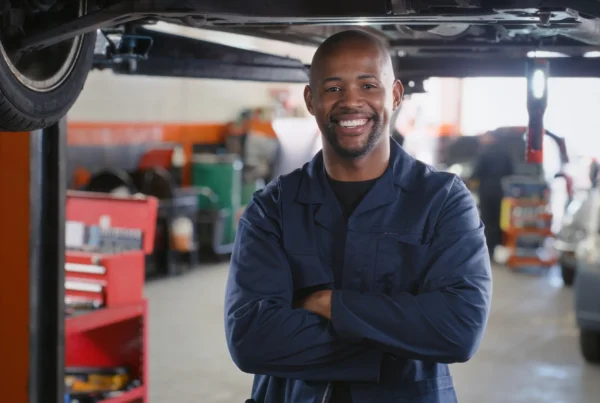
Abbott’s Auto Care & Tire offers pre-purchase inspections that evaluate major systems. Ask what the inspection will cover for the car you’re considering.
Before booking, ask:
- What systems and checks are included for this vehicle?
- Will the assessment include a road test?
- What access or seller permission is needed?
- Which findings would require separate diagnosis?
- How will untested areas or other limitations be documented?
Be specific about any concern that could affect your decision. For example, if the seller says a reported repair resolved a problem, ask whether the available records and inspection findings support that explanation. If the answer requires work beyond the agreed inspection, ask what that work would involve before authorizing it.
Ask the inspector to explain what the results support and what remains uncertain. Treat an inspection as an assessment within its agreed scope, rather than a promise about every future repair.
How can Lexington buyers arrange an inspection before committing?
Start coordinating while you are still deciding whether to buy. Confirm availability and whether the shop can inspect the particular vehicle before setting a time with the seller.
- Contact the shop with the vehicle details. Provide the year, make, model, mileage and VIN if available. Explain that you are considering buying it. Ask for a current inspection quote and the time needed before agreeing to the seller’s deadline.
- Get the seller’s permission. Agree on who will bring the vehicle, when it can leave and when it must be returned. If a dealer will not let you take it yourself, ask whether the dealer can deliver it to the shop you choose.
- Share the records and your questions. Send the history report and available receipts. Point out any entry you want discussed instead of asking the inspector simply to confirm that the car is “good.”
- Review written findings before deciding. Request a report identifying the vehicle and explaining any recommended repairs, with estimates where appropriate.
If you are considering a deposit or signing an agreement before the appointment, ask the seller to put any inspection condition in writing. Clarify what happens if the inspection cannot be completed, identifies a concern, or recommends further diagnosis. Review those terms before making the commitment; do not assume the seller shares your understanding.
When the written findings arrive, ask the inspector to distinguish an observed problem from an item that could not be evaluated. For a repair recommendation, ask what finding prompted it. If a concern remains unresolved, decide whether you need more information before proceeding rather than treating an unfinished assessment as approval to buy.
If a dealer refuses an independent inspection, the FTC suggests considering another dealer. Keep that decision separate from whether its history report looks clean.
When reviewing the results, ask which findings need attention now, which can be planned, and which remain unresolved. Then decide whether to proceed, discuss repairs or purchase terms with the seller, seek further diagnosis, or keep looking. A clean history report can support that decision; it cannot supply the missing inspection findings.