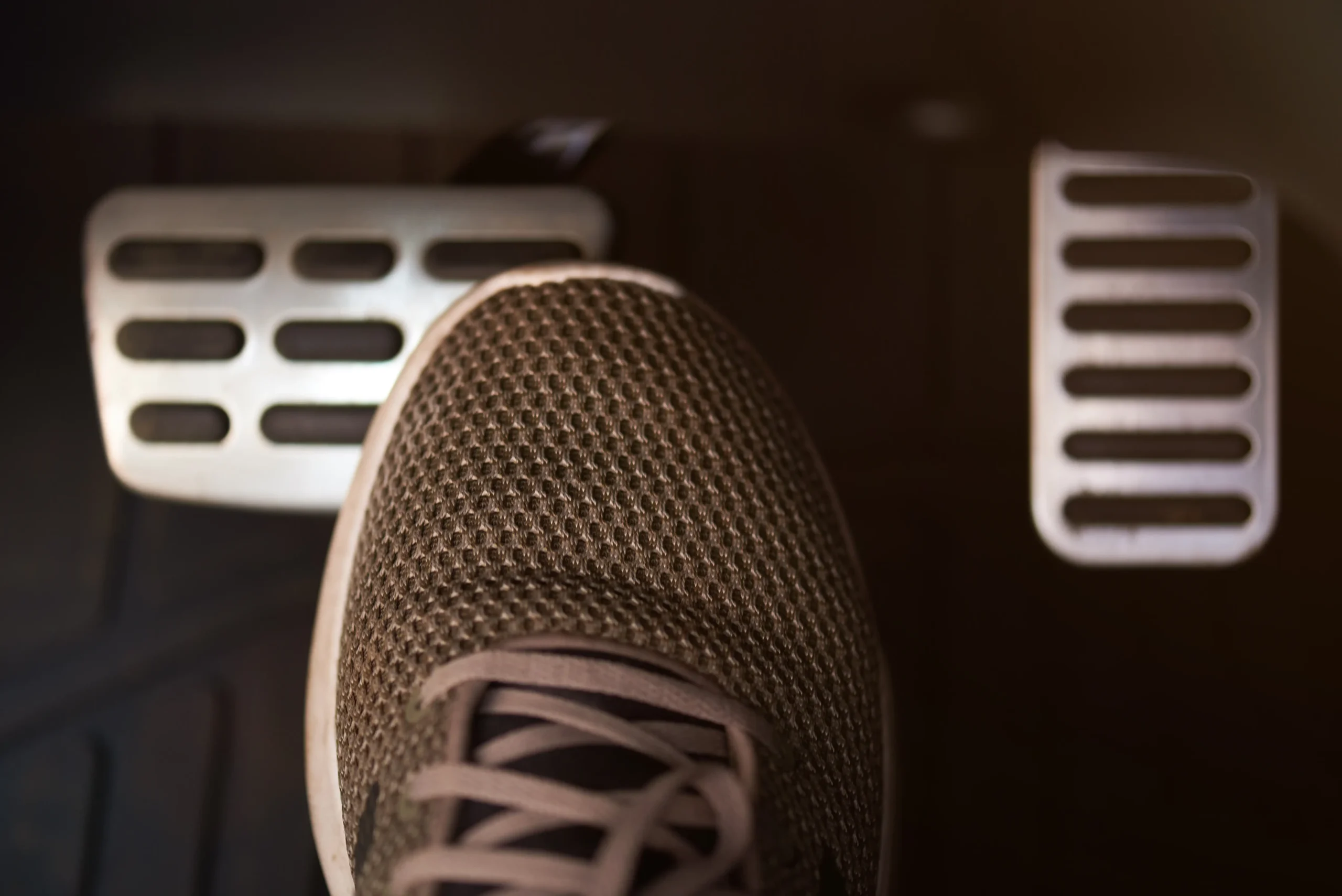
Your brakes are one of the few systems on your car that will actually talk to you before they fail. Long before you’re staring at a repair bill, they drop hints: a squeal at a stoplight, a low grinding on the way down a hill, a pedal that suddenly feels soft under your foot. The trouble is that most of us learn to tune those sounds out, right up until the day we can’t.
Here in Lexington, where stop-and-go traffic on Sunset Boulevard and the hills around Lake Murray give brakes a real workout, learning to read those signals is genuinely useful knowledge. This guide walks through what the most common brake noises and sensations actually mean, which ones are harmless, which ones are urgent, and roughly how long your brakes should last before any of it happens.
The short version: an occasional squeak on a damp morning is usually harmless; a constant squeal means your pads are getting low; grinding means metal-on-metal and needs attention now; a soft or sinking pedal is a hydraulic issue; and a pulsing pedal usually points to warped rotors. Most pads last 25,000–70,000 miles depending on how you drive. Here’s how to tell your situation apart.
A 60-Second Primer on How Brakes Work
You don’t need to be a mechanic to interpret your brakes, but one mental picture helps. When you press the pedal, hydraulic fluid pushes a caliper to squeeze a pair of brake pads against a spinning metal disc called a rotor. That friction is what slows you down, and friction, by design, wears the pads down a little every time you stop.
So brakes are a consumable. Pads are meant to wear out and be replaced; that’s normal. The whole game is catching them when they’re worn but before they start damaging the more expensive parts behind them. The sounds and feelings below are how you do exactly that.
The Squeal: How to Fix Squeaky Brakes (and When It’s Just Noise)
That high-pitched squeak when you come to a stop is the sound most drivers ask about, and it’s often your brakes doing their job.
Most modern brake pads have a small metal tab called a wear indicator. When the pad wears down to a certain thickness, that tab starts to lightly touch the rotor and produces a deliberate squeal. It’s an early warning, not an emergency: it means “start planning to replace these soon,” not “pull over now.”
That said, not every squeak is a worn pad. A squeal can also come from:
- Moisture or light surface rust, common after a humid Midlands night or a rainy morning. This kind usually disappears after your first few stops as the rust wipes off.
- Dust or a small stone caught between the pad and rotor.
- Cheap or hardened pads, or pads that were installed without the proper anti-squeal shims or lubricant.
So if you’re wondering how to fix squeaky brakes, the honest answer is: it depends entirely on why they’re squeaking. Moisture squeal fixes itself. A wear-indicator squeal is fixed by new pads. A squeal from glazed or low-quality pads is fixed by replacing them with better ones and cleaning up the hardware. What you generally shouldn’t do is spray a “brake quiet” product over a squeal without knowing the cause, you might just be muffling a warning that your pads are nearly gone.
Rule of thumb: an occasional squeak on a damp morning is nothing. A consistent squeal every time you brake is your pads asking to be looked at.
The Grind: Stop Driving on These
If a squeal is a polite warning, a grinding sound is your brakes shouting. A harsh, metallic grinding (often described as metal-on-metal) usually means the pad material has completely worn away and the metal backing plate is now dragging directly against your rotor.
This is the one to take seriously, for two reasons:
- Your stopping power is compromised. Bare metal on metal doesn’t generate friction the way a proper pad does, so it takes longer to stop.
- You’re destroying a more expensive part. Every mile you drive grinding is gouging the rotor. What might have been a routine pad replacement can turn into pads and rotors: a noticeably bigger repair.
If your brakes are grinding, the practical move is to drive as little as possible and have them inspected right away. This is genuinely a safety issue, not a “next weekend” item.
The Soft or Sinking Pedal: A Hydraulic Red Flag
Sound isn’t the only way brakes communicate: feel matters just as much. A healthy brake pedal is firm and stops at a consistent height. If your pedal suddenly feels soft, spongy, or slowly sinks toward the floor, that points to the hydraulic side of the system rather than the pads.
Common culprits include:
- Air in the brake lines, which compresses in a way brake fluid does not, giving that spongy feel.
- A brake fluid leak at a line, caliper, or the master cylinder.
- Moisture-contaminated fluid, which lowers the fluid’s boiling point and can cause a soft pedal under heavy or repeated braking (think long downhill stretches).
A soft pedal is not something to monitor and hope about: it’s the part of the system that actually transmits your foot’s force to the wheels. If yours doesn’t feel right, treat it as a reason to get the car looked at promptly.
Vibration or Pulsing When You Brake
If the pedal or steering wheel shudders or pulses when you slow down, especially from higher speeds, the usual suspect is uneven or “warped” rotors. Over time and heat, rotors can develop thickness variations, so the pads grab slightly more in some spots than others, you feel that as a rhythmic vibration.
It’s rarely an immediate safety emergency, but it does mean your braking isn’t as smooth or efficient as it should be, and it tends to get worse. Depending on the rotor’s condition, the fix is either resurfacing or replacing them.
A Quick Symptom Cheat Sheet
- Occasional squeak, damp morning, goes away: likely moisture; no action needed.
- Consistent high-pitched squeal: wear indicator; plan for pad replacement soon.
- Grinding / metal-on-metal: worn-out pads damaging rotors; inspect immediately.
- Soft or sinking pedal: hydraulic/fluid issue; get it checked promptly.
- Pulsing or vibration when braking: likely warped rotors; have them evaluated.
- Car pulls to one side when braking: a sticking caliper, or the kind of uneven tire wear that signals an underlying issue, worth a look.
So, How Long Do Brakes Last?
This is the question everyone wants a clean number for, and the honest answer is a range: most brake pads last somewhere between 25,000 and 70,000 miles. That’s a wide spread because how long brakes last depends heavily on how and where you drive.
Factors that wear pads faster include:
- Stop-and-go traffic: city driving around Lexington and Columbia is much harder on pads than steady highway miles.
- Hilly terrain and towing, which ask more of your brakes on every descent.
- Aggressive braking habits: hard, late stops versus gentle, gradual ones.
- Pad quality and the type of vehicle.
One detail that surprises a lot of drivers: your front and rear brakes don’t wear at the same rate. On most vehicles the front brakes do the majority of the work: when you stop, the car’s weight shifts forward, so the front pads can wear roughly twice as fast as the rears. That’s why it’s completely normal to replace front pads on their own schedule, and it’s also why a shop checks all four corners rather than assuming they’re in the same shape.
Because the range is so wide, mileage alone is a poor way to guess. The better approach is to pay attention to the signals above and have your brakes visually inspected periodically, for example, whenever your tires are rotated, since the wheels are already off. That’s usually enough to catch wear long before it becomes a grinding, rotor-eating problem.
Brake FAQs
Is it safe to drive with squeaky brakes?
Usually yes, at least briefly: a squeal is typically an early warning, not a failure. But a consistent squeal means the pads are getting low, so it’s best not to ignore it for long. Grinding is a different story: that’s a “get it checked now” sound.
Can I just replace the brake pads myself?
Some experienced DIYers do. But brakes are a safety-critical system, and a proper job includes inspecting the rotors, calipers, hardware, and fluid, not just swapping pads. If you’re not fully confident, this is a system where professional peace of mind is worth it.
Why do my brakes squeal in the morning but stop later?
That’s almost always overnight moisture and a thin layer of surface rust on the rotors. It typically wipes off within the first few stops and isn’t a cause for concern.
Do I need to replace rotors every time I replace pads?
Not always. If the rotors are still within spec and in good shape, new pads may be all you need. If they’re worn, warped, or scored, they’ll need resurfacing or replacement.
What does it mean if my brake warning light comes on?
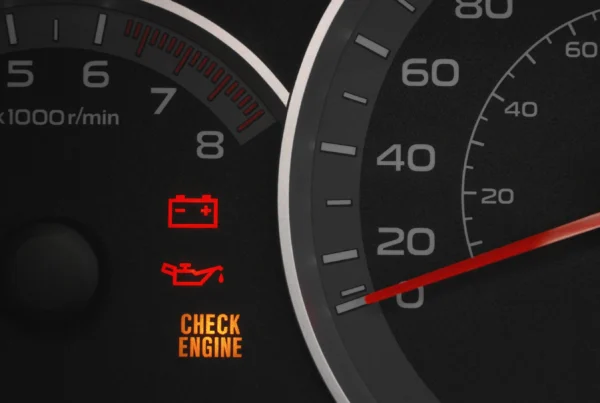
It depends on which light. The parking-brake light often just means the brake is still partially engaged. But a dedicated brake-system warning light can indicate low brake fluid or an ABS fault, both worth checking soon. If that light comes on and the pedal feels different, treat it as a reason to get the car looked at right away rather than waiting.
When It’s Worth Having Someone Look
You can learn a lot just by listening and paying attention to how the pedal feels, and that knowledge alone puts you ahead of most drivers. But brakes are also the one system where guessing has real consequences, and many of the important checks (pad thickness, rotor condition, fluid quality, caliper movement) happen with the wheels off. It’s why, instead of searching “brake inspection near me” and hoping for the best, a lot of Midlands drivers just bring the car to a local shop they trust.
If you’re in Lexington or anywhere around the Columbia Midlands and something in this article sounds familiar (a squeal that won’t quit, a grind, a soft pedal, a shimmy when you stop), feel free to swing by Abbott’s Auto Care & Tire on West Main Street and let us take a look. We’ll tell you honestly whether you’ve got plenty of pad left or it’s time for service, so you’re making the call with real information instead of a guess. You can schedule an appointment online in a couple of minutes, or call us at (803) 356-8851, and drive away confident that your brakes are ready for whatever the rough Midlands roads throw at them.